The Football Tactics Framework: Decoding the Modern Game
Beyond the Formation: How Elite Teams Manipulate Space, Tempo, and Probability.
Last Updated: March 13, 2026
Football is no longer defined by rigid starting positions; it is defined by moments of transition and control. This framework is designed for the analyst, the coach, and the fan who wants to see the invisible game being played beneath the surface. Here, we move past the basic “4-3-3 vs 4-4-2” debate to explore the mechanics of high-performance strategy. From the suffocating intensity of a coordinated High Press to the geometric precision of a Box Midfield, we break down the decision-making processes that separate champions from contenders. This is your blueprint for understanding how modern managers weaponize space and time.
Start with these core tactical concepts. Each guide breaks down one idea with clear explanations and visuals.
Defensive Control: The Art of Aggressive Patience
Why the Best Defense is Actually the First Phase of Attack.
In modern football, “defending” isn’t just about protecting your goal; it is about dictating where the opponent is allowed to play. Elite teams use Defensive Engagement Lines to set the terms of battle. Whether it’s a high-risk, high-reward press designed to force turnovers in the final third, or a disciplined Mid-Block that chokes the central channels, the objective is the same: to shepherd the opposition into “dead zones.” In this section, we analyze the pressing triggers and structural traps managers use to disrupt rhythm and win the ball back in dangerous areas. To see how these concepts are evolving right now, check out our analysis of the Top Football Tactical Trends of 2025.

Tactical Secrets of Mid-Block Pressing That Win Games

Masterclass Tactics on How Elite Teams Defend Without the Ball
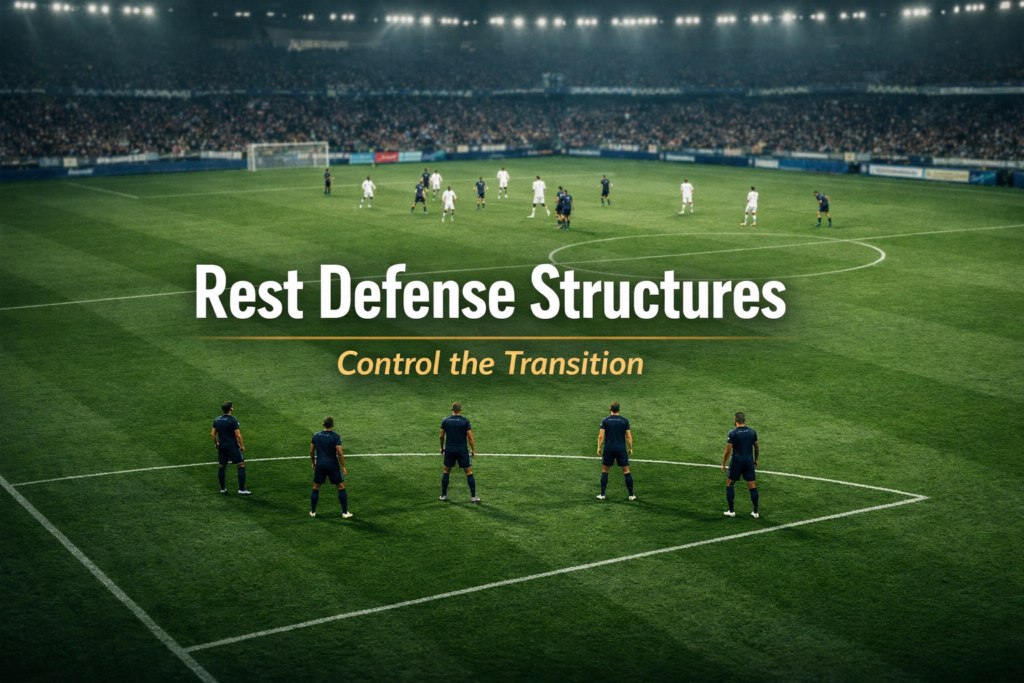
Elite Rest Defense Structures to Dominate Transitions
Build-Up & Progression: Engineering the Exit
How to Bait the Press and Break Lines with Precision.
The journey from the goalkeeper to the final third is a game of numbers and nerve. Effective build-up play is about inviting pressure to create space elsewhere. We examine how teams utilize structures like the 3-2-2-3 to create artificial transitions and numerical superiority (+1) against a press. It’s not just about passing accuracy; it’s about “positional play”—understanding how Overloads on one flank can isolate a winger on the other, and how Line-Breaking Passes dismantle defensive shapes. Learn how the best teams turn their own penalty area into a launchpad for attacks.
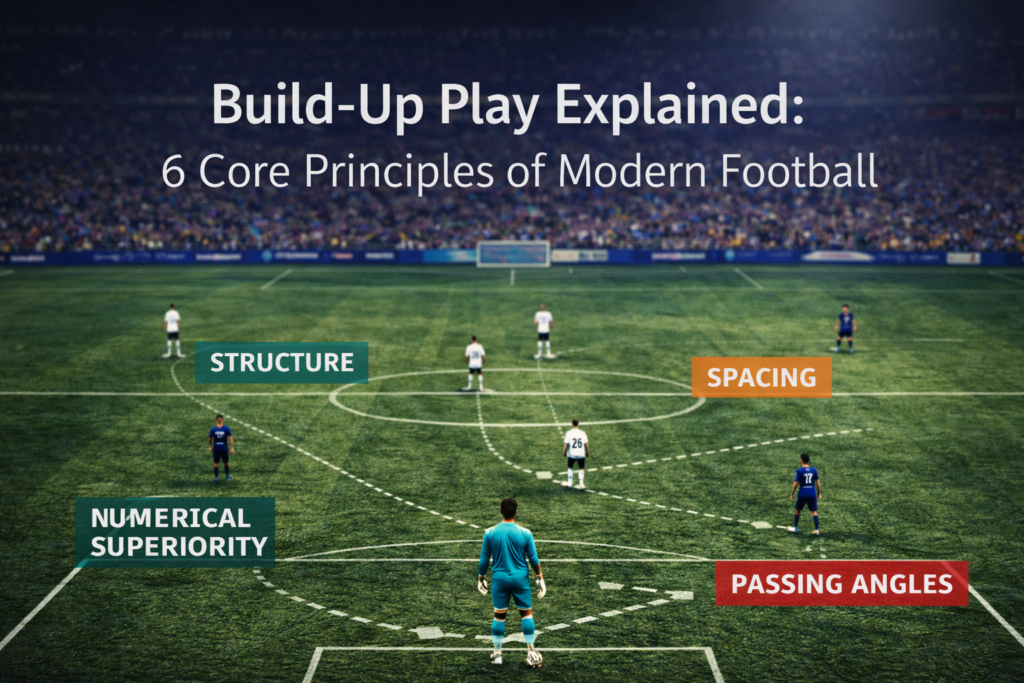
Build-Up Play Explained: How Teams Progress the Ball Under Pressure
In football, build-up play is the offensive phase where a team advances the ball from their goalkeeper or defenders into the opponent’s half while maintaining possession under pressure. Modern football…
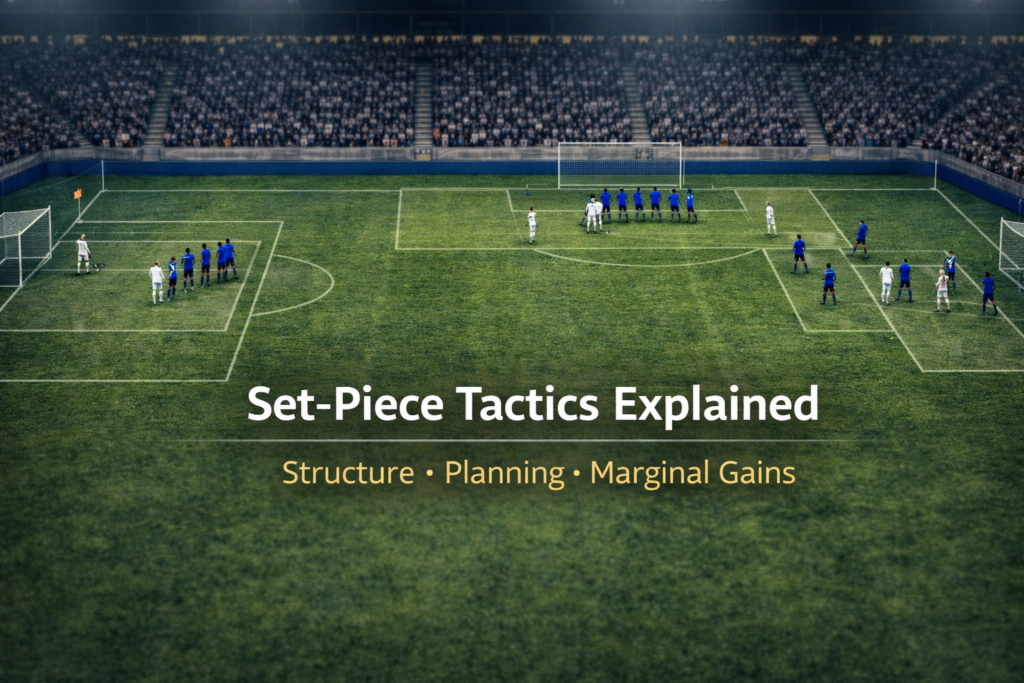
Set-Piece Tactics Explained: How Teams Score and Defend from Dead Balls
Introduction Set-piece tactics are one of the most controlled phases in football. Unlike open play, dead-ball situations remove randomness and allow teams to pre-plan movements, spacing, and decision-making. Corners, free…
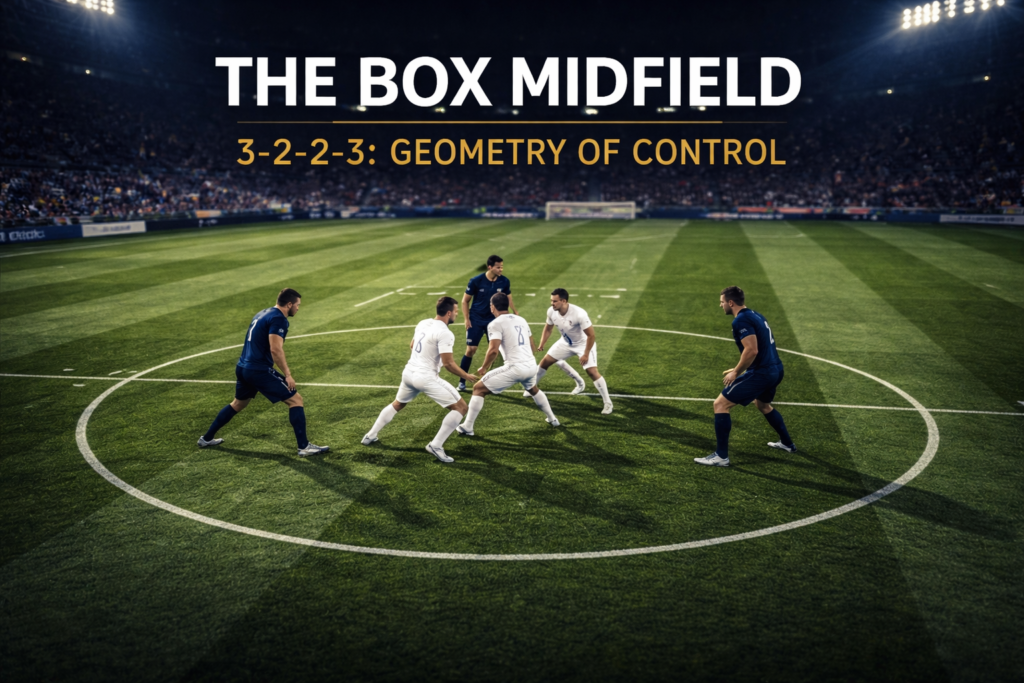
Secrets of Box Midfield Tactics That Revolutionized Football

Deadly Ways Football Overloads and Isolations Destroy Defenses
Modern Roles: The Death of Fixed Positions
Understanding the Hybrids: From Inverted Fullbacks to False Nines.
The days of a player staying in their lane are over. Contemporary tactics demand functional fluidity. We are seeing the rise of the Inverted Fullback, who abandons the touchline to become a central playmaker, and the Sweeper-Keeper, who acts as the eleventh outfield player in possession. This section explores how these hybrid roles disrupt marking schemes and create dilemmas for defenders. We look at the specific responsibilities of the Mezzala, the False 9, and the ball-playing center-back, explaining how individual profiles dictate the system—not the other way around.
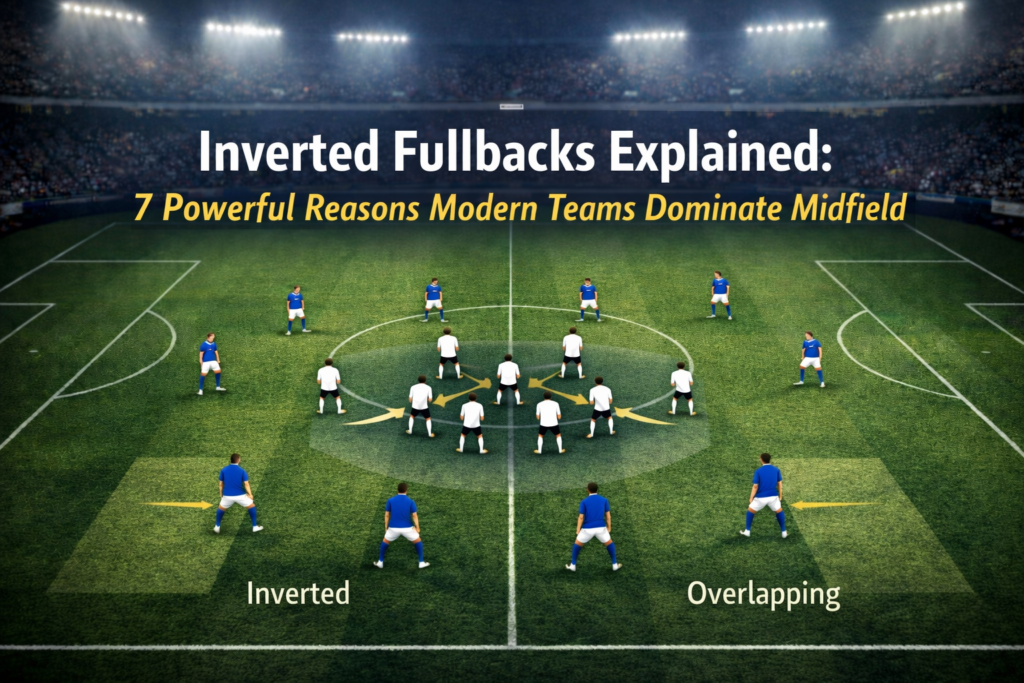
Inverted Fullbacks Explained: How Modern Teams Control the Center
Introduction: Why Fullbacks No Longer Stay Wide For decades, the role of the fullback in football was simple and predictable. Fullbacks defended wide areas, supported wingers on the overlap, and…
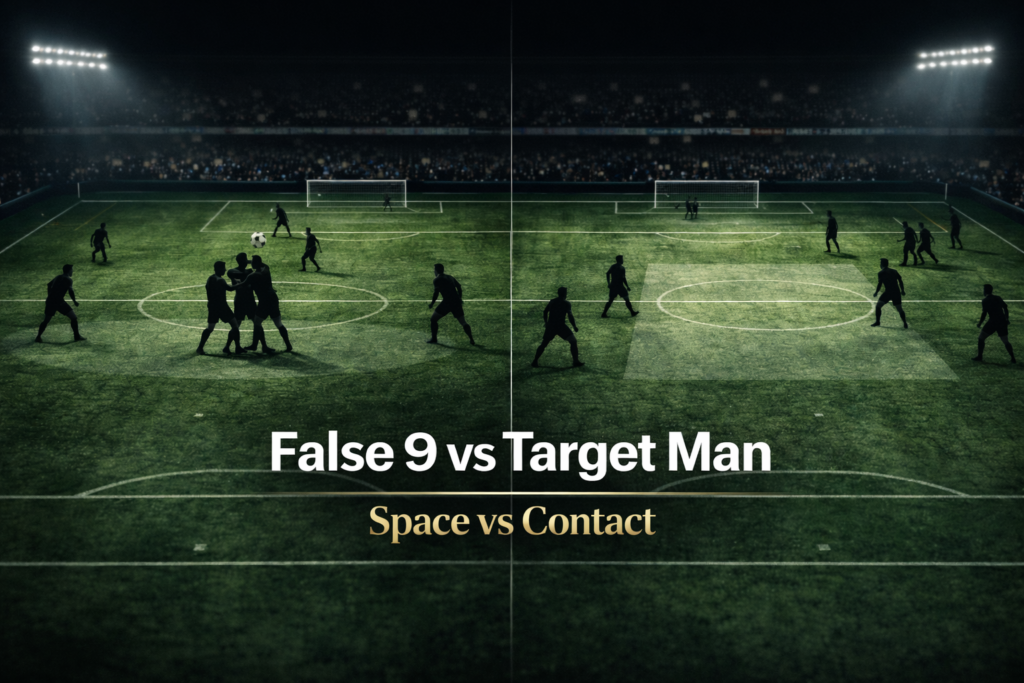
Tactical Realities: The Brutal Truth of False 9 vs Target Man
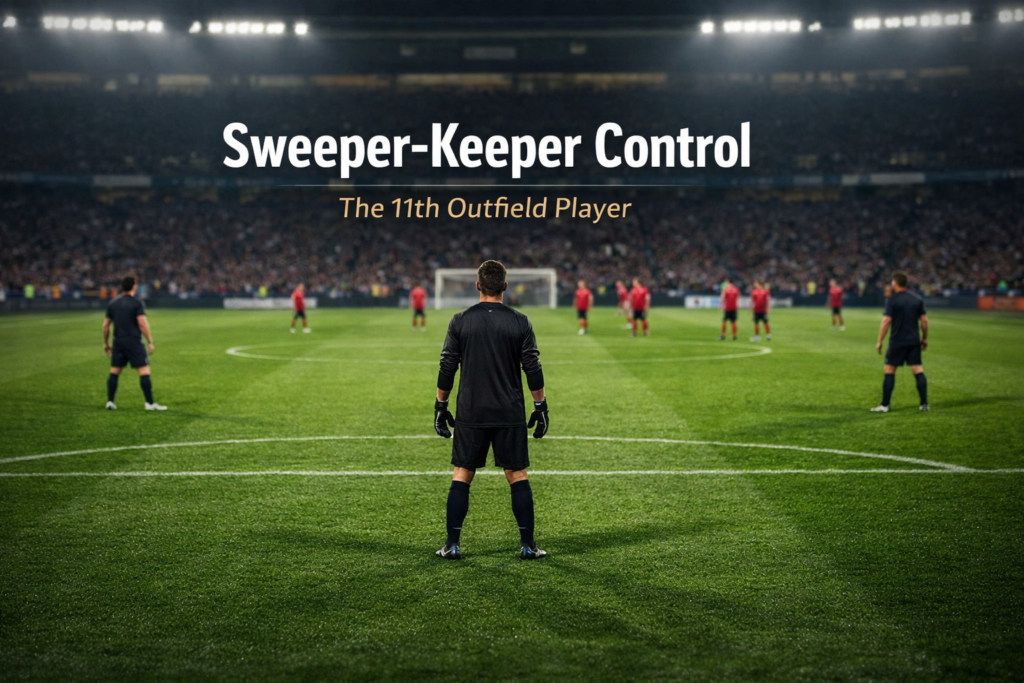
Elite Sweeper-Keeper Tactics That Dominate Modern Football
Tactical Case Studies: The Blueprint in Action
Dissecting the Philosophies of the World’s Best Managers.
Theory is useless without execution. This is where we take the concepts and apply them to the chaotic reality of match day. By analyzing specific systems—such as Xabi Alonso’s fluid rotations at Leverkusen or Pep Guardiola’s ever-evolving control at Manchester City—we provide “proof of concept.” These deep dives go beyond the highlights, using freeze-frame analysis to show how top managers solve problems in real-time. Whether it’s breaking a low block or nullifying a counter-attack, these case studies bridge the gap between the tactics board and the pitch.
The Alonso Blueprint: 10 Secrets of Bayer Leverkusen’s Tactical Revolution
The Xabi Alonso Leverkusen style is defined by a fluid 3-4-2-1 formation that relies on central overloads, short-passing “Relationism,” and aggressive counter-pressing. In my experience of dissecting the ebb and…

7 Deadly Secrets of Pep Guardiola Final Third Tactics (Explained)

The Tactical Civil War: Relationism vs Positionism Analyzed
Metrics, Models & Language: The Analyst’s Too
Contextualizing the Data Behind the Eye Test.
Data doesn’t replace the eye test; it sharpens it. To truly understand modern football, you need to speak the language of analysis. We demystify the key metrics that front offices use to evaluate performance, from xG (Expected Goals) to PPDA (Passes Allowed Per Defensive Action). But we go further than definitions—we explain why they matter. Learn what “Field Tilt” tells you about dominance and what “Post-Shot xG” reveals about a goalkeeper’s true value. This section equips you with the vocabulary and the skepticism needed to interpret football data correctly.
What Is xG? The Definitive Analytical Blueprint for Expected Goals
Introduction: The Mathematics of Finishing Expected Goals (xG) is a statistical metric used in football to assess the likelihood of a shot resulting in a goal, based on historical data…